
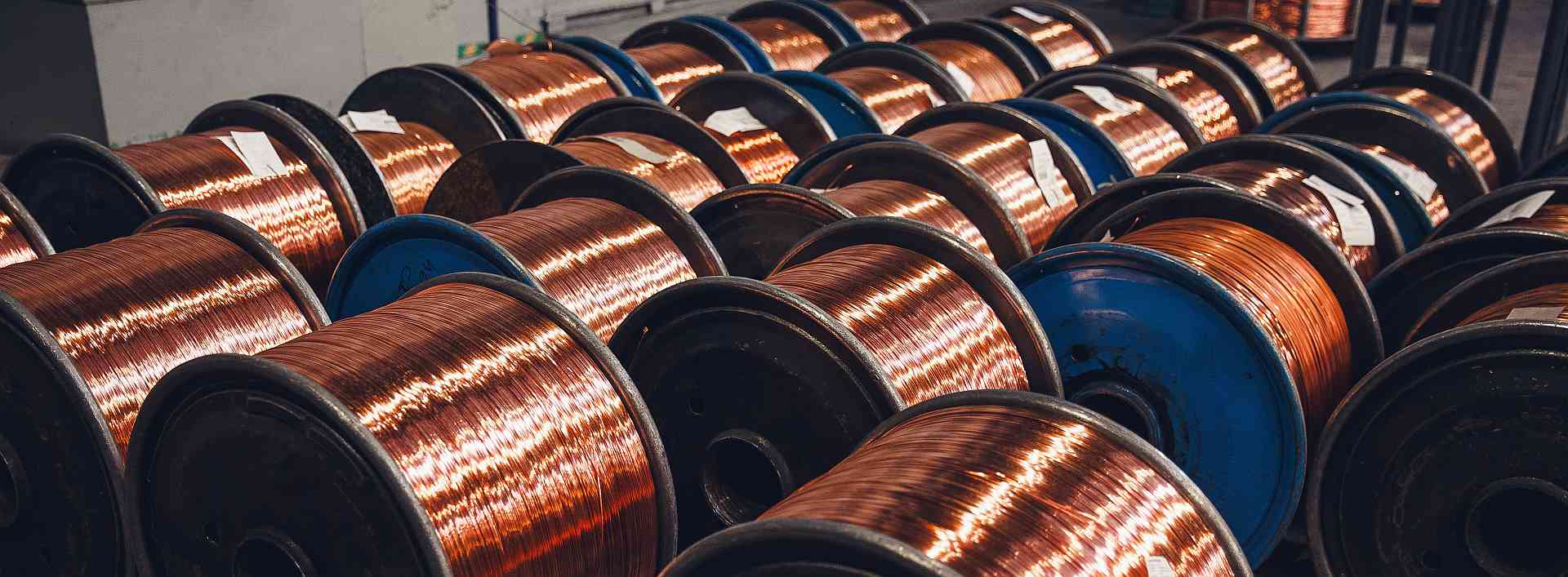
When it comes to designing a custom transformer, there are several factors that you need to consider–including what type of wire you want to use for the coil. Coils for transformers tend to be made from either aluminum or copper wire, both of which have their advantages and disadvantages, as well as applications to which they’re better suited. Silver wire is also another option for custom transformers, offering even higher conductivity than copper, but tends to be expensive and only used in very specialized applications.
This article offers a comprehensive comparison between copper and aluminum coils, and when each one is the best choice for a custom transformer.
Aluminum: Light Weight and Efficient
Aluminum is a popular, cost effective choice for transformer coils, being lightweight and less dense than copper. This type of wire performs much more efficiently, with good storage capacity for heat in applications that generate low to medium heat. The use of aluminum coils reduces eddy currents and the risk of shorting, which is especially important for high-reliability applications. Aluminum is much more malleable compared to copper, easy to shape and experiences far less mechanical stress during the winding process, improving its life cycle.
However, aluminum wire does have its disadvantages. At higher voltages, aluminum coils require more turns around the coil in order to achieve higher capacities, making them less compact. Though generally pretty durable, aluminum isn’t as resistant to corrosion and moisture as copper, and could require additional protection that will increase the coil’s density. It also tends to oxidize quickly when exposed to air, meaning it will need additional preventative measures and maintenance to protect the coil.
Overall, aluminum wire coils are best suited for power distribution and relatively larger transformers where space constraints aren’t as big of a concern.
Copper: Strong and Compact
Copper wire coils are best known for their mechanical strength and stability, being denser than aluminum but thinner, handling higher voltages with fewer turns around the coil. Copper offers much better electrical conductivity as well, carrying current with less resistive losses. Copper is easy to weld and fabricate, and tends to require less overall maintenance. It has high thermal conductivity as well, making it ideal for applications with higher heat generation than what aluminum wire can handle.
Like aluminum coils, copper does have its downsides. For one thing, it does tend to be more expensive, and its higher density means higher weight, a factor to keep in mind in applications where saving weight is crucial. Additionally, copper oxidizes very quickly, and once it starts, even parts that are protected will oxidize.
Copper wire coils are overall the best choice for applications with high heat and higher current capacities. They’re also better suited to transformers that will be used in harsh or heavy-duty environments, being much stronger and more durable overall.
SI Manufacturing: Your Partner for Full-Service Custom Transformer Manufacturing and More!
SI Manufacturing is a full-service electronics manufacturing company, helping our customers with everything from design to delivery and beyond. If you’re looking for a custom transformer manufacturer, consider partnering with us and get in touch with our team today!